
The Thrill of Uncertainty
The allure of casinos often lies in the unpredictable nature of gambling itself, where players are drawn to the idea of an instant cash out casino experience, and the potential for a life-changing win creates an adrenaline rush that many find irresistible. This thrill stems from a psychological phenomenon known as ‘variable reward schedules,’ where players receive unpredictable rewards at random intervals. This uncertainty heightens excitement, making each game unique and compelling. The anticipation leading up to a potential win fosters a strong sense of engagement that keeps patrons returning for more.
This excitement can override logical reasoning and lead players to engage in behaviors they might otherwise avoid. For instance, some individuals may gamble more than they intended due to the thrill of the moment. This psychological engagement is further fueled by the ambiance of a casino, filled with flashing lights, engaging sounds, and an overall atmosphere designed to immerse players in a world of excitement. The combination of these elements creates a sort of ‘escape from reality’ that many find appealing.
Additionally, the nature of gambling taps into our deeper instincts related to risk and reward. Our brains are wired to seek pleasure, and the potential for a payout can release dopamine, the ‘feel-good’ neurotransmitter. This interplay between risk-taking and the promise of reward evokes a powerful psychological response, making the experience even more addictive. Casinos are adept at exploiting this psychology, creating an environment where the excitement of uncertainty keeps players captivated and eager for their next visit.
The Social Aspect of Gambling
Gambling is often perceived as a solitary activity; however, the social dynamics within a casino can be a significant draw. Many people enjoy the camaraderie and shared experiences that arise when playing games with others. Social gambling allows for interactions, conversations, and a sense of community, making the experience more enjoyable. Whether it’s cheering for a friend at the blackjack table or celebrating a significant win, these interactions enhance the overall experience and encourage repeat visits.
The social aspect is particularly evident in games that require teamwork or collaboration, such as poker. Players often find themselves forming alliances or engaging in strategic discussions, adding layers of complexity to the gambling experience. The shared goal of winning or simply having fun can create bonds among participants, transforming a solitary venture into a shared journey. The psychological benefits of socializing, such as reducing feelings of loneliness and enhancing overall wellbeing, further contribute to the appeal of casinos.
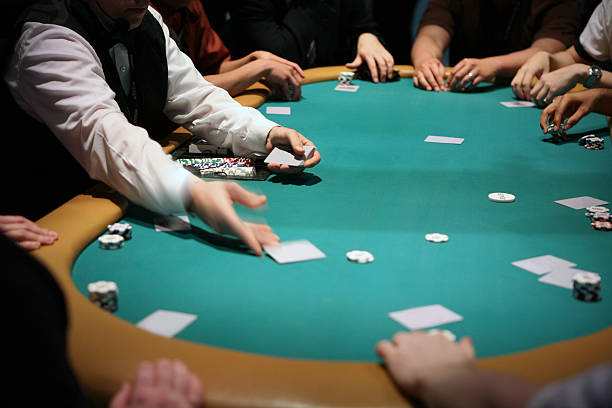
Moreover, casinos frequently host events, tournaments, and themed nights, further enhancing the social atmosphere. These initiatives foster community engagement, drawing people with similar interests together and providing reasons to visit beyond just gambling. The allure of meeting new people and connecting with friends in an exciting environment can make casinos a preferred destination for social interaction, showcasing the psychological importance of community in our lives.
The Illusion of Control
One of the most intriguing aspects of gambling psychology is the illusion of control that players often experience. Many individuals believe they can influence the outcome of games through skill or strategy, even in games primarily determined by chance. This misconception enables players to feel empowered, encouraging them to continue playing despite the odds being against them. The belief that skill can lead to success, particularly in games like poker, allows players to rationalize their decisions and continue gambling.
This illusion can be particularly potent in games where players believe their choices impact the outcome, such as in blackjack or even certain betting strategies. Players may develop varying strategies based on previous experiences, assuming these will improve their chances of winning. This belief fosters a sense of agency, creating a psychological barrier that can lead to excessive gambling. The desire to reinforce this sense of control drives players to return, despite the inherent randomness of the games they play.
Understanding the dynamics of this illusion can be crucial for responsible gambling practices. By recognizing that luck plays a far more significant role than skill, players can make more informed choices and set limits on their gambling behavior. The psychological need for control is a powerful motivator, and acknowledging that most games are chance-based can help mitigate the risks associated with gambling. Therefore, awareness of this illusion can lead to healthier gambling habits and a more balanced approach to the activity.
The Role of Environment and Design
Casinos are meticulously designed to create a specific atmosphere that enhances the gambling experience. The layout of a casino, including the placement of machines and tables, is strategically planned to encourage players to remain engaged for longer periods. With no clocks or windows, players often lose track of time, focusing solely on the excitement of the game. This design choice exploits the psychological concept of temporal disorientation, fostering an environment where players feel engulfed in the experience.

The sensory elements of a casino, including the sounds of slot machines, the clinking of chips, and the buzz of conversation, create an immersive ambiance that captivates players. These sounds are deliberately engineered to stimulate excitement and make the environment feel lively. The use of vivid colors and enticing lights plays a crucial role in maintaining engagement, making the gaming experience visually appealing. The overall atmosphere is designed to keep players alert and willing to continue, enhancing their psychological experience and prolonging their stay.
Moreover, many casinos implement reward systems, such as loyalty programs, to further engage players. These incentives offer additional psychological reinforcement, encouraging repeat visits. Players may feel more inclined to gamble when they can see tangible benefits, leading to an increased sense of belonging within the casino environment. By creating a space that combines psychological engagement with physical features, casinos can effectively attract and retain patrons, reinforcing the love for gambling and the overall casino experience.
Understanding Responsible Gambling
While the thrill of gambling can be exhilarating, understanding responsible gambling is crucial for maintaining a healthy relationship with the activity. Many players find it helpful to set limits on their gambling behavior, whether through time or financial budgeting. By establishing clear boundaries, individuals can engage in gambling in a way that is enjoyable rather than detrimental. This awareness is essential, given the compelling psychology behind gambling, which can often lead to addictive behaviors if left unchecked.
Education surrounding responsible gambling practices is also vital for fostering a culture of awareness and support. Many organizations and websites offer resources to help individuals understand risks and develop strategies for responsible gambling. This includes recognizing signs of problematic gambling behavior and knowing when to seek help. By promoting this understanding, players can better appreciate the distinction between recreational gambling and activities that may lead to negative outcomes.
Ultimately, fostering a dialogue about responsible gambling helps cultivate a safer environment for all players. Casinos can contribute by offering educational resources and support services, prioritizing player wellbeing alongside entertainment. By acknowledging the psychological factors at play and promoting responsibility, the casino industry can create a healthier relationship between patrons and gambling, ensuring that the excitement of the experience can be enjoyed without adverse effects.